

We all love our grinders, and many people use them almost every day. Over time, with moderate to heavy use, residue gradually builds up inside the grinder, and some of this buildup can be extremely difficult to remove. In the most severe cases, mold can even begin to grow inside the grinding chamber. This makes proper cleaning essential. The following article explains why and how to clean your grinder correctly.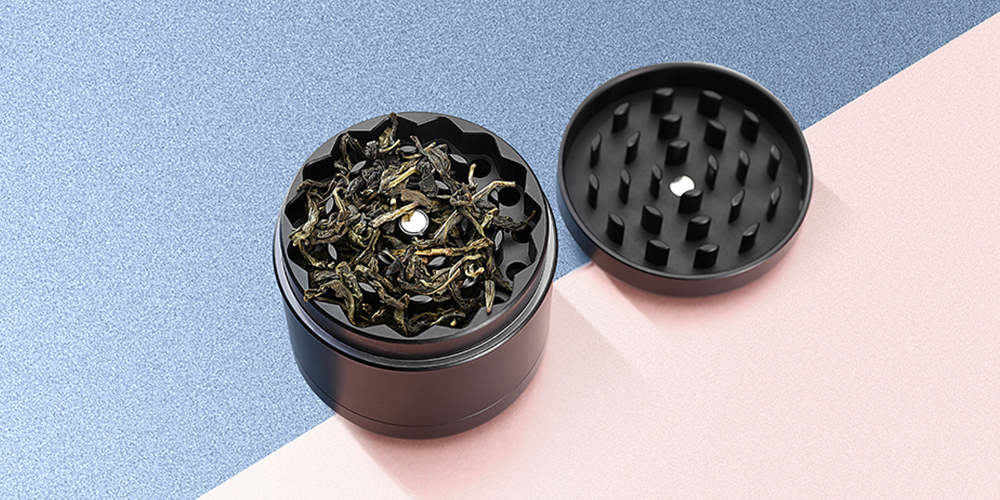
Why You Should Clean Your Grinder?
Dull Grinding Teeth
A grinder has one primary function: grinding cannabis. While it may also collect kief, its core purpose is to break down flower easily and efficiently, ideally with one or two rotations rather than five. When the grinding teeth become dull due to residue buildup, fully grinding and breaking down buds becomes time-consuming. Regular cleaning helps prevent the teeth from becoming dull and maintains optimal grinding performance.
Clogged Screen
This is especially important if you use a three-piece grinder with a dedicated kief chamber. Over time, the screen between the ground herb and the kief chamber can become clogged with kief, pollen, and debris. When the screen is blocked, you miss out on fresh trichomes. These crystals from high-quality flower become trapped in the residue, with only a small portion passing through the screen while the rest contributes to further clogging.
Bacterial Growth
This is one of the most important reasons to keep your grinder clean. Cannabis naturally contains moisture, and this moisture can remain inside the grinder, creating an environment where bacteria can grow. This means that every time you grind, you increase the risk of inhaling bacteria, potentially leading to lung or throat infections. Regularly cleaning your grinder effectively prevents this issue.
Sticky Operation and Unusual Noises
Some grinders develop unusual sounds simply from extended use, while others do so because they are too dirty. This is often related to overall grinder quality. If you notice harsh friction or unpleasant sounds when tightening your grinder, cleaning can help improve this. Additionally, if your grinder no longer closes smoothly and requires frequent realignment of the teeth, it is a clear sign that a thorough cleaning is needed.

Tools You Will Need
1. Isopropyl alcohol (enough to fully submerge the grinder)
2. Freezer
3. Container (large enough to hold the grinder)
4. Toothbrush
5. Clean water
6. Towel
How to Properly Clean Your Grinder?
Step 1 Clearing
Remove all remaining herb and kief from the grinder. During the cleaning process, place them on a tray or similar surface to catch any loose material.
Step 2 Disassembling
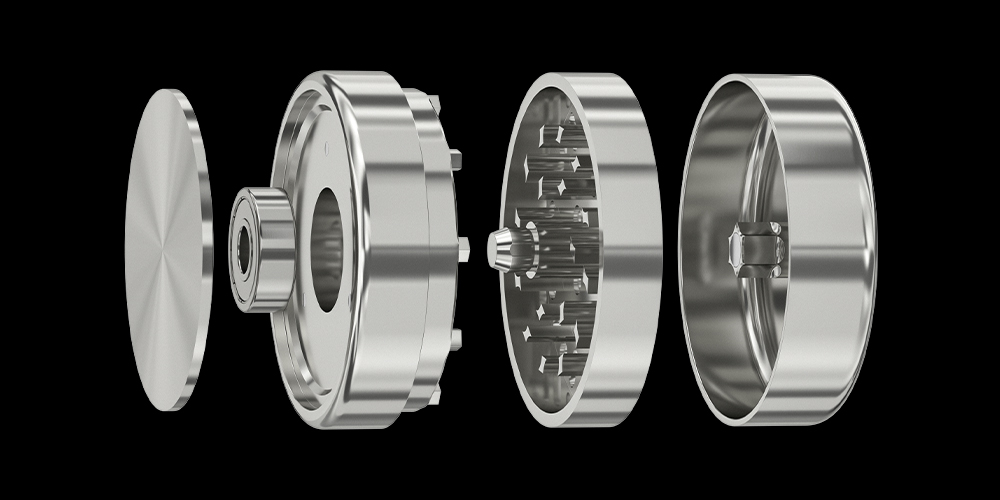
Disassemble the grinder completely, including the toothed lid, the herb chamber, and the kief chamber. The exact number of components depends on the grinder’s design.
Step 3 Freezing
Next, freeze the grinder. Freezing causes the remaining residue inside the grinder to harden and become less sticky, making it easier to remove.
Place all separated components upright in the freezer for at least 30 minutes. Once removed, the residue will be much easier to clean off.
Step 4 Soaking (Metal Grinders Only)
After removing as much loose residue as possible, place all components into a container filled with isopropyl alcohol, ensuring they are fully submerged. Soak for approximately 30 minutes to loosen stubborn buildup inside the grinder.
Ps: Do not soak wooden grinders
Wooden grinders should be cleaned using a soft, dry brush only.
Step 5 Brushing
Discard the isopropyl alcohol, then use a toothbrush or another stiff-bristled brush to scrub away remaining residue, paying special attention to the grinding teeth. Any remaining buildup will directly affect the grinder’s performance.
Ps: Do not clean your grinder in a dishwasher, as the high heat and strong detergents can damage anodized or electroplated metal surfaces. This may cause irreversible harm to the grinder and significantly shorten its lifespan.
Step 6 Rinsing and Drying
After brushing, the grinder should be largely free of plant material. Rinse thoroughly with hot water to remove any remaining alcohol and residue, then allow all parts to dry completely before reassembly and use. Once finished, your grinder will feel and look refreshed. Grinding will be smoother, and the resulting herb will be more evenly processed.
Using premium flower with a grinder that has not been cleaned for years prevents the material from performing at its full potential. In addition, bacteria easily accumulate in dark, sticky grinders, meaning you may be inhaling long-term buildup. Grinders that have never been cleaned also commonly suffer from clogged screens. Your kief chamber may already appear full, but those valuable trichomes are often trapped where they do not belong. Cleaning your grinder resolves these issues, allowing your flower to perform at its best and delivering a more enjoyable overall experience.
Post time: Jan-22-2026