

Subject to the governor’s approval, adults aged 21 and over in Virginia will be permitted to possess and purchase cannabis.
Last Friday, the Virginia Senate approved a conference committee report reconciling competing proposals to legalize retail sales of adult-use cannabis by a 21–18 vote. The following day, Saturday—the final day of the legislative session—the House of Delegates endorsed the measure 64–32. The legislation now awaits action from Democratic Gov. Abigail Spanberger, who has indicated she intends to sign a bill establishing regulated adult-use cannabis sales.
The vote represents a major turning point after years of unsuccessful attempts. In 2021, lawmakers legalized possession of up to one ounce of marijuana for adults and permitted individuals to cultivate as many as four plants at home. However, Republican Gov. Glenn Youngkin repeatedly vetoed bills that would have authorized retail distribution.
“This is an important bill, and this has been a culmination of like five years of work,” Del. Paul Krizek, D-Fairfax, who sponsored the House bill, said March 14 on the chamber’s floor.
“It creates a licensed structure, consumer protections and a tax framework that allows the commonwealth to move from an illicit market to a regulated and safer system,” he said.
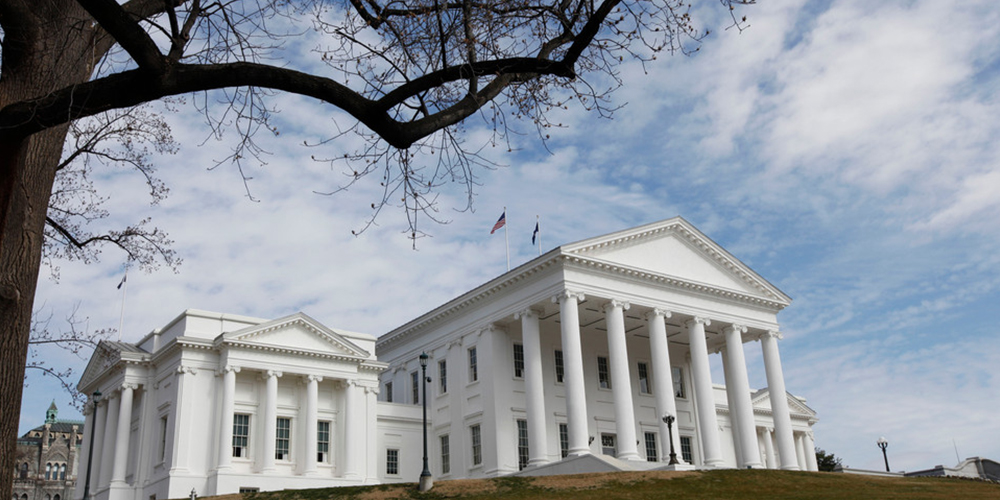
While both chambers backed the creation of a retail cannabis market, lawmakers differed on key elements, including the rollout timeline, tax design and regulatory authority. The final compromise measure merges provisions from separate Senate and House bills.
Under the compromise report:
• Beginning Jan. 1, 2027, individuals aged 21 and older would be allowed to purchase and possess up to 2.5 ounces of cannabis flower, or an equivalent quantity of other products, from licensed dispensaries. Edible cannabis products would be limited to 10 milligrams of THC per serving and 100 milligrams per package.
• Retail sales for adult use would be subject to a 6% cannabis excise tax, in addition to the state’s existing 5.3% sales and use tax, with local governments authorized to impose an additional levy ranging from 1% to 3.5%.
• Revenue generated would be distributed as follows:
40% allocated to early childhood care and education;
30% directed to a Cannabis Equity Reinvestment Fund supporting individuals, families and communities historically and disproportionately affected by drug enforcement;
25% designated for the Department of Behavioral Health and Developmental Services;
5% earmarked for public health initiatives, including efforts to deter impaired driving and underage use.
• The bill sets a statewide cap of 350 cannabis retail licenses. Oversight of cannabis business licensing and regulation will fall under the state Cannabis Control Authority, while the Virginia Alcoholic Beverage Control Authority will enforce rules prohibiting unlicensed cannabis cultivation.
• Existing medical cannabis operators would be eligible to enter the adult-use market by paying a $10 million conversion fee, structured as a one-time payment that may be spread over three years.
• Local governments would not be permitted to opt out of allowing marijuana-related businesses within their jurisdictions.
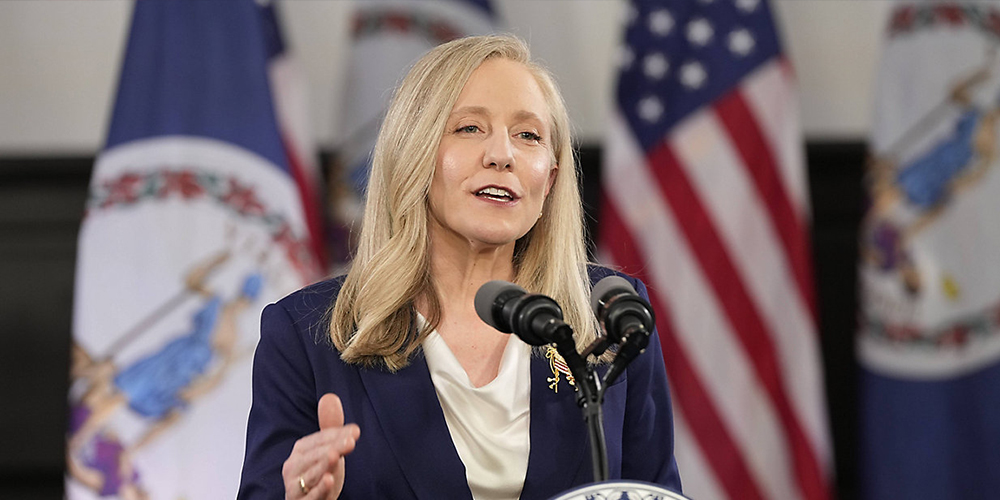
The bill remains pending the governor’s signature. Once formally delivered, Spanberger will have 30 days to sign, veto or propose amendments.
- The news is soured from Cannabis Business Times and Forbes.
Post time: Mar-20-2026